Planning Meaningful Activities with Loved Ones
Create lasting memories and strengthen bonds through thoughtful, engaging activities designed for families with adults aged 40-60.
Why Activity Planning Matters
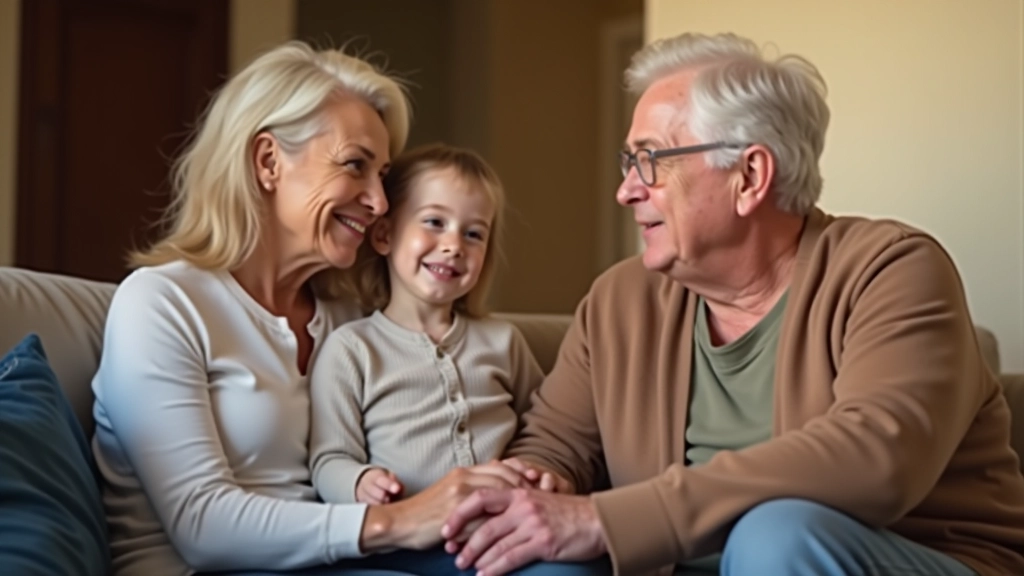
Spending quality time with family doesn't happen by accident. It takes real planning. When you're juggling work, responsibilities, and different schedules, it's easy to let months slip by without genuine connection. But meaningful activities change everything — they create moments worth remembering.
We're not talking about expensive outings or complicated logistics. Simple, intentional activities work best. A board game night. A walk through the neighborhood. Cooking together. These moments strengthen relationships and keep your loved ones engaged and energized. Plus, you'll find that shared activities reduce stress and boost everyone's mood.
The key is knowing what works for your specific group — considering ages, energy levels, interests, and what you've got available. That's exactly what we'll explore here.
Types of Activities That Actually Work
Not all activities fit every family. The best ones match your group's energy level and interests. Here's what tends to create real connection:
Cognitive Games & Puzzles
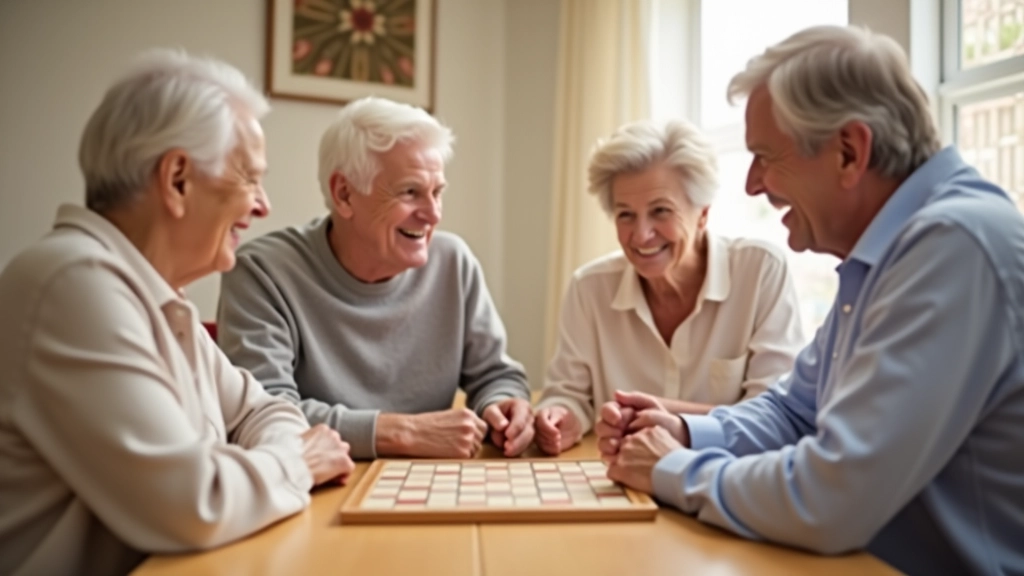
Board games, card games, crosswords, or jigsaw puzzles keep minds sharp while encouraging conversation. Games like Scrabble, Ticket to Ride, or classic card games work great for groups of 2-6 people. Budget 60-90 minutes for a full game session.
Cooking or Baking Together
There's something special about preparing food as a team. Start with recipes that don't require advanced skills — cookies, simple pasta dishes, or appetizers. You'll get conversation, laughter, and something delicious to eat afterward.
Outdoor Walking or Gardening
Walking gives you natural conversation starters and gentle movement. Neighborhood walks, park visits, or local trails work well. Gardening projects — even container gardening — provide purpose and physical activity mixed together.
Movie or Show Night
Watching something together gives everyone permission to relax. Pick films everyone will enjoy, prepare snacks, and leave time for discussion afterward. Don't underestimate the value of shared entertainment.
Arts & Crafts Projects
Painting, sketching, jewelry making, or woodworking projects let people express creativity without pressure. These work especially well because there's no "winning" — just creating together.

How to Plan Activities That Stick
Good planning removes barriers. Here's how to actually make it happen instead of just talking about it:
01
Check Everyone's Schedule
Pick a time when most people can actually show up. Wednesday evenings, Saturday mornings, or Sunday afternoons often work best. Don't wait for "perfect" timing — it won't come. Two weeks out is usually enough notice.
02
Pick Something Everyone Enjoys
Ask people what they'd like to do. You don't need complicated preferences — just ask "would you rather play games, cook, walk, or watch a movie?" Simple choice-making gets buy-in from everyone.
03
Handle the Logistics Early
If you're cooking, do grocery shopping three days before. If you're playing games, find the rules online ahead of time. If you're walking, pick the route. Small prep work prevents last-minute stress and cancellations.
04
Set Realistic Timing
Most activities work best in 60-120 minute blocks. People's attention and energy have limits. A solid game session, walk, or cooking project fits perfectly into this window. Anything longer usually feels like work.

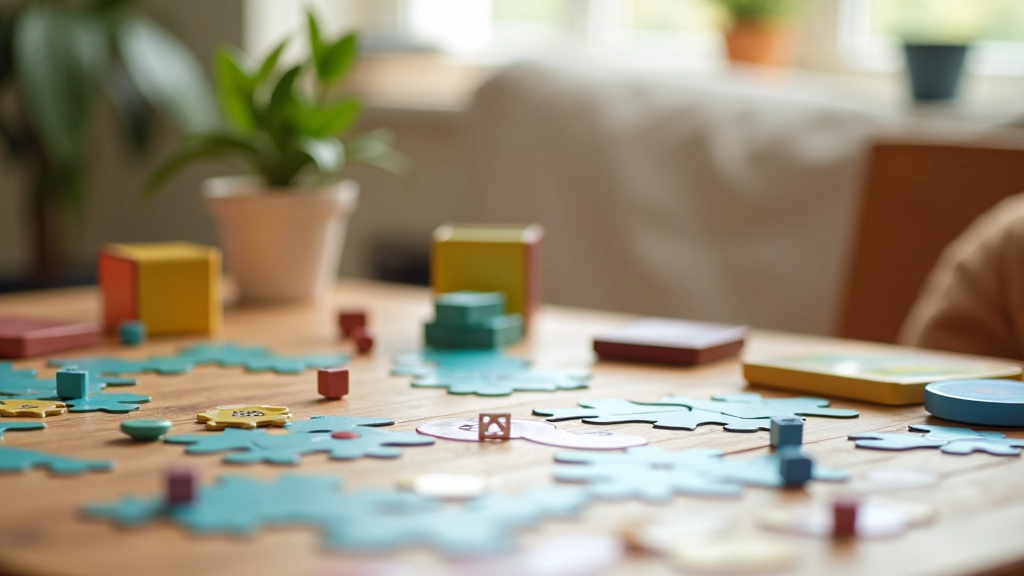
Cognitive Games for Mental Sharpness
Games aren't just fun — they're actually good for your brain. Research shows that regular cognitive activities help maintain memory, focus, and problem-solving skills across all ages. The best part? You'll have a blast doing it.
Here's what works best for family groups:
- Ticket to Ride: Strategy game about building train routes. Easy to learn, takes 45-60 minutes, works for 2-5 players.
- Rummikub: Tile-based game similar to Rummy. Great for hand-eye coordination and strategic thinking. 30-45 minutes per game.
- Crossword or Sudoku: Solo or collaborative puzzles. You can work together on a single puzzle or each tackle your own while sitting together.
- Codenames: Word association game for teams. Hilarious, requires thinking differently, and keeps everyone engaged. 15 minutes per round.
- Jigsaw Puzzles: 500-750 pieces works best for groups. Set it up on a table and work on it over multiple visits. No pressure, conversation flows naturally.
Don't worry about "winning" perfectly. The real benefit comes from the thinking, the interaction, and the shared focus. Expect laughter, friendly debate, and people asking "can we play again?"
Gentle Movement & Stretching Together
Movement doesn't have to be intense to be valuable. Gentle stretching and walking activities keep bodies flexible, reduce stiffness, and give everyone energy. Plus they're social — you're moving together, which builds connection.
Try these approaches that work well for mixed-age groups:
10-Minute Daily Stretching Routine
Do this together before breakfast or after dinner. Neck rolls, shoulder stretches, forward bends, and quad stretches. No equipment needed. Everyone gets benefits whether they're 45 or 75 years old.
Walking Groups
Local park loops, neighborhood walks, or mall walking (especially good in bad weather). Aim for 20-30 minutes at a comfortable pace. You'll talk, move, and get fresh air all at once.
Tai Chi or Gentle Yoga
YouTube has excellent free classes designed for all ages. 20-30 minutes, 2-3 times per week. The flowing movements improve balance, flexibility, and focus. Many community centers offer free or low-cost classes too.

Community Centers & Local Resources
You don't have to do everything at home. Community centers, libraries, and local organizations offer tons of free or low-cost activities. These are goldmines for planning meaningful time together.
Community Centers
Most offer game nights, fitness classes, art workshops, and walking clubs. Many are free or under $5 per session. Check your city or county website for locations and schedules.
Libraries
Book clubs, movie nights, game events, and craft programs. Many libraries have entire event calendars online. Completely free and they're designed to build community.
Parks & Nature Centers
Organized walks, gardening clubs, and outdoor programs. Many parks have free guided nature walks or seasonal activities. Great for combining movement with learning.
Senior & Family Organizations
Groups focused on wellbeing offer social activities, classes, and intergenerational programs. Search your area for "senior wellness groups" or "family activity organizations."
Art & Music Programs
Community colleges and arts centers offer painting, music, dance, and theater classes. Perfect for creative families. Many offer discounts for seniors or family registrations.
Fitness & Wellness Classes
Yoga, water aerobics, tai chi, and walking groups. Many community centers offer these free or cheap. They're structured, social, and great for staying active together.
Practical Tips for Success
Start Small
You don't need elaborate plans. A 30-minute walk, one board game, or a simple meal together counts. Small regular activities beat occasional grand plans every time.
Be Consistent
Set a regular time. "Tuesday game nights" or "Saturday morning walks" give people something to count on. Consistency builds anticipation and makes it a real habit.
Remove Barriers
If mobility's an issue, choose accessible locations. If budget's tight, stick with free activities. If some people work late, plan earlier. Solve problems before they cancel plans.
Mix It Up
Rotate between different activities so nobody gets bored. One week games, next week walking, then cooking. Variety keeps everyone engaged and excited.
Focus on Connection, Not Perfection
If someone loses at the game, great. If the recipe doesn't turn out perfect, who cares. The point isn't flawless execution — it's showing up together and being present.
Involve Everyone in Planning
Ask people what they want to do. Let younger family members suggest activities. When people have input, they're more likely to show up and participate.
Creating Lasting Family Connections
Meaningful activities with loved ones don't require fancy planning or expensive outings. They require intention. When you show up, when you plan ahead, when you pick things everyone enjoys — that's when real connection happens. That's when memories get made.
Start this week. Pick one activity from this guide. Schedule it. Send a message to your family. Whether it's a 30-minute walk, a game night, or a cooking project, you're investing in something that matters. These regular moments together — they're what people remember. They're what keeps families close.
The best time to start planning was yesterday. The second best time is today.
Ready to Plan Your First Activity?
Start by picking one activity from this guide and one time that works for your family. Small consistent steps build lasting traditions.
Explore More Wellbeing ResourcesDisclaimer
This article provides educational information about planning activities for family wellbeing. Every family is different — what works for one group may need adjustment for another. Consider individual health conditions, mobility levels, and preferences when choosing activities. If anyone has specific health concerns or mobility limitations, consult with healthcare professionals before starting new physical activities. This content is informational and isn't a substitute for professional medical, psychological, or therapeutic guidance.
Related Articles